
Poker: More Than Just a Game
 101casinoreviews
·
·
2 min read
101casinoreviews
·
·
2 min read
Introduction
Poker, often associated with gambling and casinos, can have a significant impact on people’s daily lives. Beyond its recreational aspect, poker can teach valuable life skills that can be applied to various situations. This article explores how poker can influence individuals’ decision-making, risk management, and interpersonal relationships.
Decision-Making and Risk Assessment
One of the most crucial skills developed through poker is decision-making. Players must constantly evaluate their options, assess the likelihood of different outcomes, and make calculated choices based on the available information. This ability to weigh risks and rewards can be invaluable in real-life situations, such as career decisions, financial planning, and relationship dynamics.
Interpersonal Skills and Emotional Control
Poker is a social game that requires players to interact with others and read their emotions. By observing body language, facial expressions, and betting patterns, players can gain insights into their opponents’ thoughts and intentions. This ability to interpret social cues can be helpful in various social and professional settings.
Additionally, poker can teach players to manage their emotions effectively. The game often involves high-pressure situations where players must remain calm and focused despite potential losses. This emotional control can be beneficial in dealing with stress, setbacks, and challenges in everyday life.
Discipline and Patience
Poker requires discipline and patience. Players must be willing to wait for the right opportunities and avoid impulsive decisions. This can translate into a more disciplined approach to goal-setting, time management, and personal development.
Read More: Poker Tourism: A Thrilling Blend of Strategy and Adventure
Conclusion
While poker may be perceived as a simple card game, it offers a wealth of benefits beyond entertainment. By developing skills such as decision-making, risk assessment, interpersonal skills, emotional control, discipline, and patience, individuals can enhance their overall quality of life. Whether played recreationally or competitively, poker can be a valuable tool for personal growth and development.
Read next
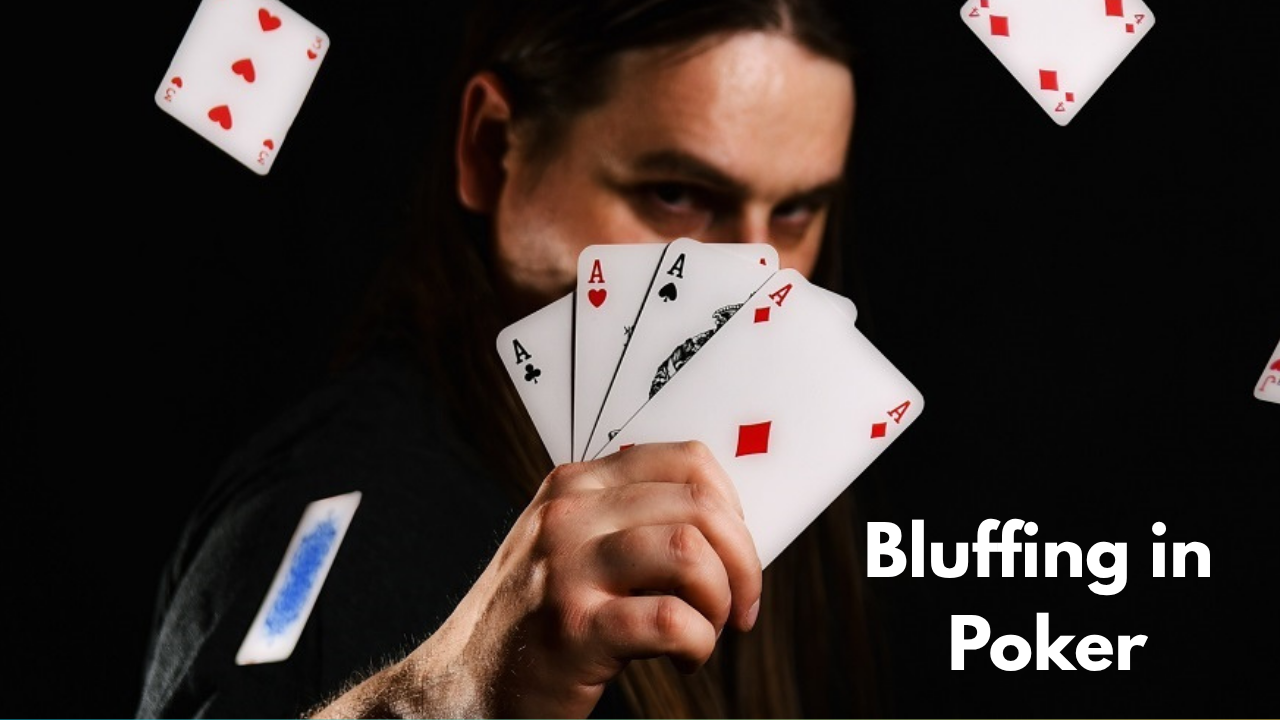
The Psychology of Bluffing in Poker
Poker is not just a card game, but a battlefield where bluffs can run or break players. While luck plays a role, the true art of Bluffing in…
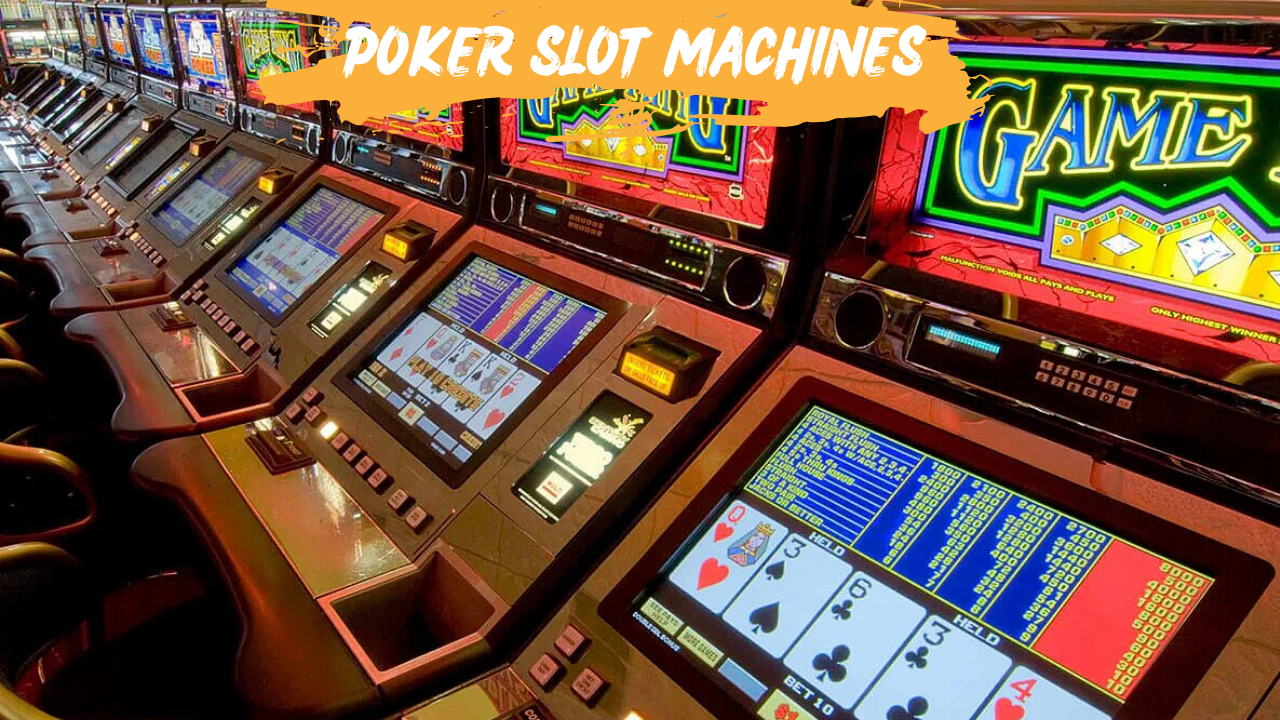
Poker Slot Machines: Vegas Vibes with a Twist
Ever strolled into a casino and felt torn between playing poker or turning the openings? What if I told you there’s a diversion that lets you appreciate both…
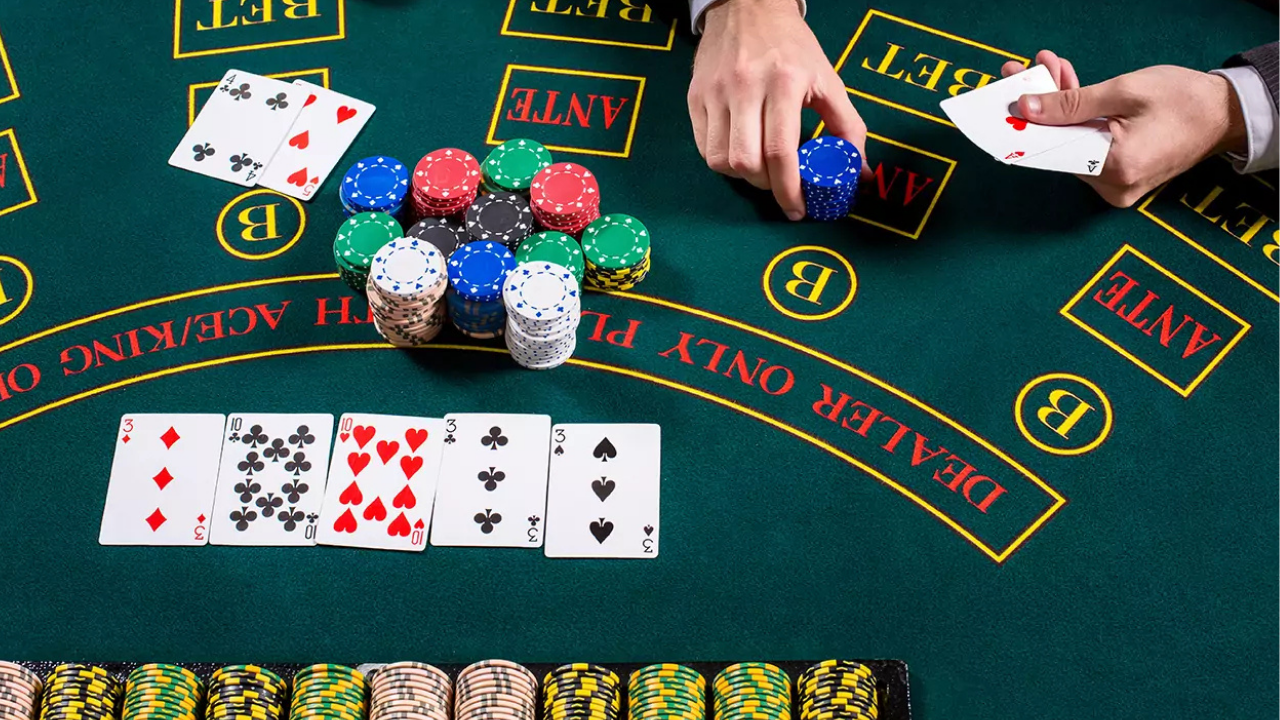
Poker Face On: Tips to Master Every Hand Like a Pro
If there’s one card diversion that has stood the test of time and captivated millions over the globe, it’s Poker Face On. Whether you’re playing with companions at…